Artificial intelligence is not only changing software. It is also changing the hardware underneath it: memory, GPUs, servers, storage, data centers, laptops and eventually the cost a business sees when it asks for a VPS, a dedicated server, a NAS, a GPU workstation or a fleet upgrade.
The trigger for this article is the intense movement around memory manufacturers. Reuters reported that SK Hynix joined the $1 trillion market value club alongside Samsung and Micron, driven mainly by the AI chip boom and demand for high-end memory. In another report, Reuters said Samsung is planning a $1.5 billion chip testing plant in Vietnam against a backdrop of memory shortages and capacity shifting toward AI-related products.
This matters for a Greek business even if it is not buying NVIDIA GPUs or AI servers. When AI infrastructure demand absorbs HBM, DRAM, NAND, enterprise SSDs and testing capacity, the pressure flows into everyday parts of the market: server RAM, SSD storage, laptops with more memory, VPS costs, cloud instances and hardware delivery times.
What changed in the memory market
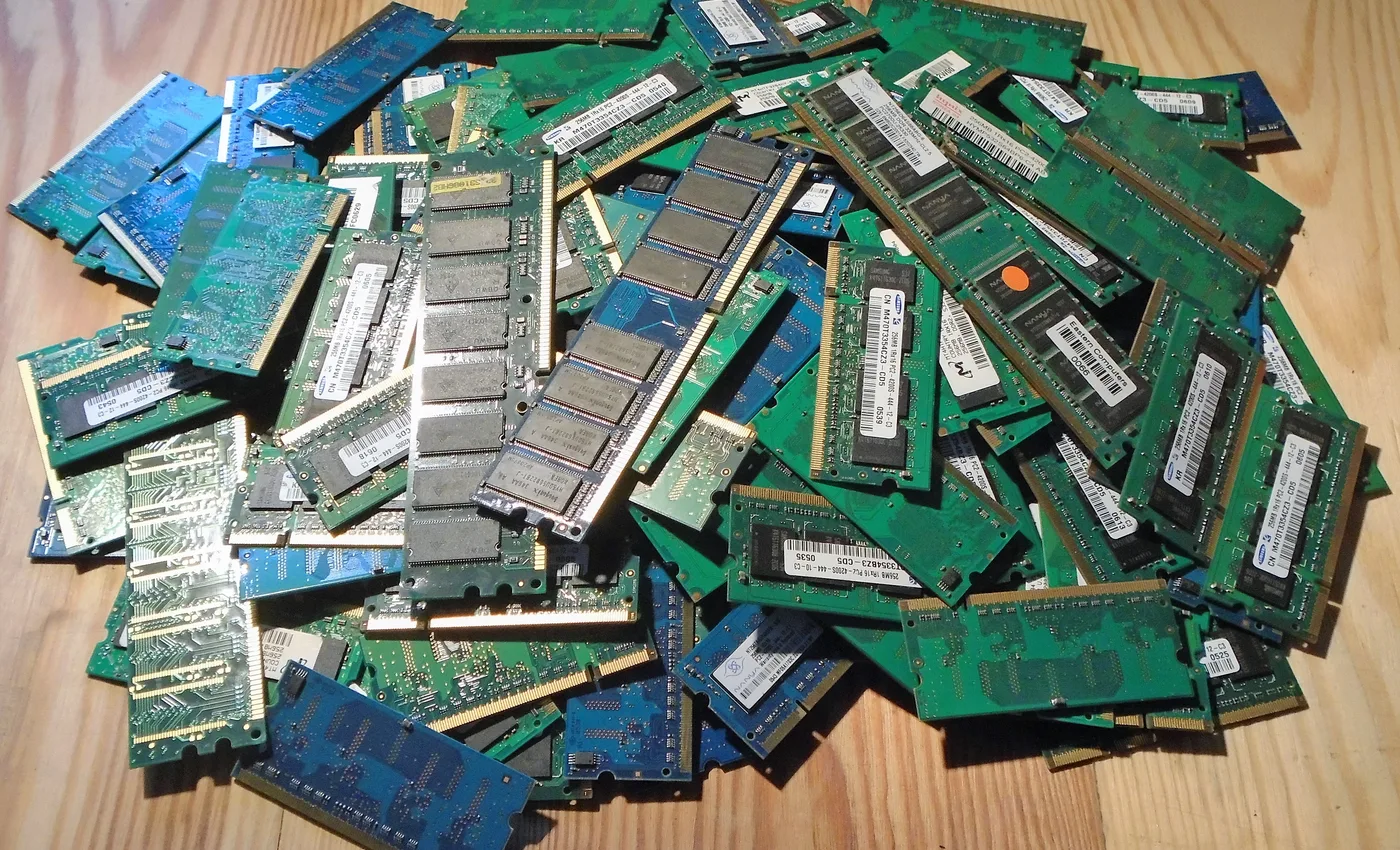
The main issue is not simply that many AI chips are being sold. Modern AI chipsets need large amounts of fast memory, especially HBM, or High Bandwidth Memory. HBM is not the same memory found in an ordinary laptop, but it consumes production attention, wafers, testing, packaging and investment from the same companies that make DRAM and NAND for the rest of the market.
When manufacturers see much higher margins in HBM and server memory, it is natural to move priorities there. The result is not always immediate or linear, but the chain is real: more demand from data centers, less flexibility in conventional production, higher DRAM/NAND prices, more expensive server bills of materials and finally higher cost for the end customer.
TrendForce expects very large quarter-on-quarter increases for conventional DRAM and NAND flash in the second quarter of 2026. The same analysis connects the pressure with suppliers shifting toward HBM, server DRAM and enterprise SSDs. Put simply, AI does not only consume GPUs. It pulls memory and storage capacity from the whole ecosystem.
Why this shows up in servers, VPS and cloud
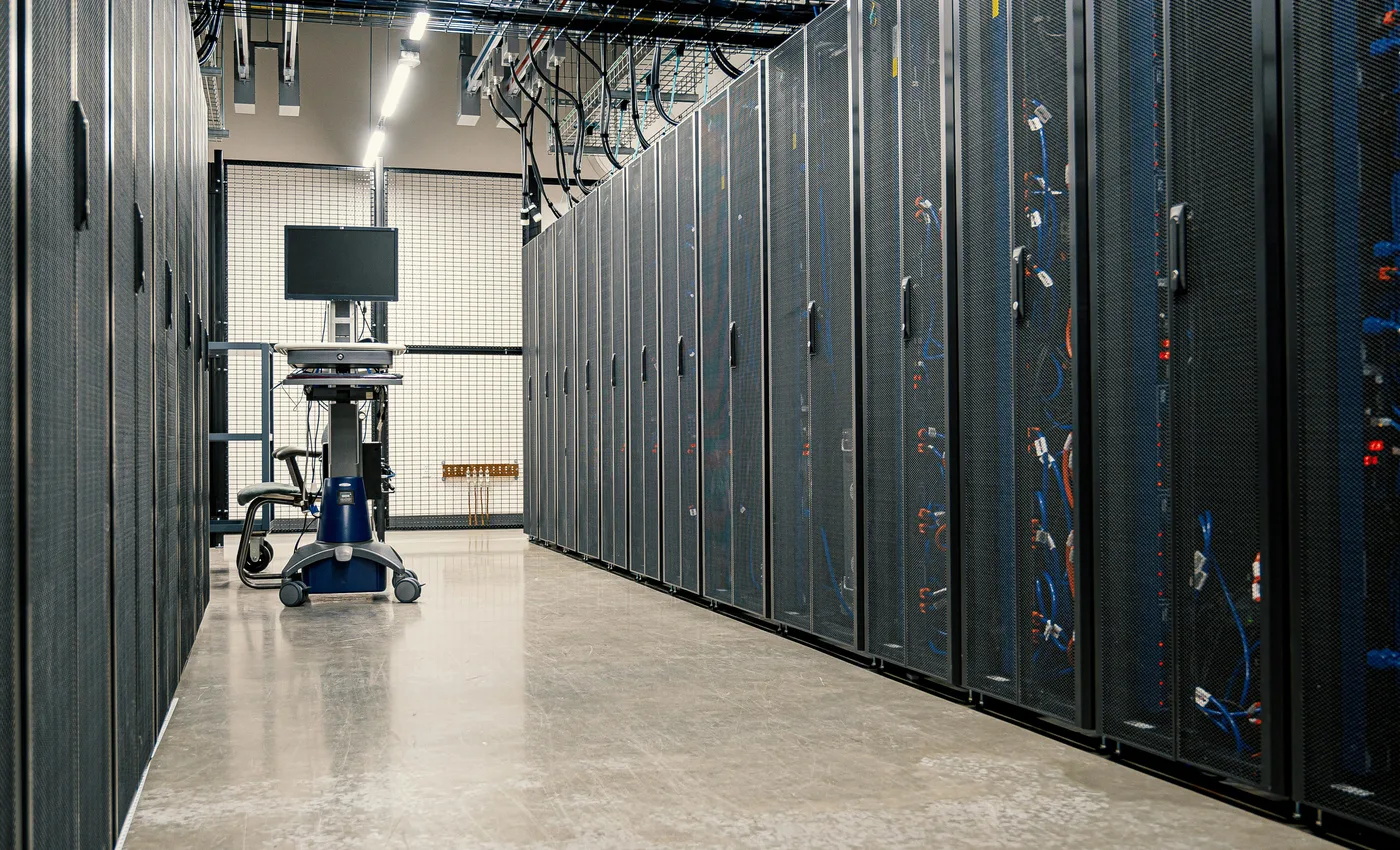
A VPS or dedicated server is not priced only by CPU cores. RAM, NVMe storage, enterprise SSD availability, power, cooling, spare parts and delivery times affect the real cost. When memory and storage prices increase, a provider cannot keep the same price forever without reducing margin or changing specifications.
This does not mean that every hosting package must become more expensive tomorrow. It means that the period of easy, continuous hardware cost reductions is under pressure. For infrastructure with a lot of RAM, databases, virtualization nodes, object storage, backup servers or AI workloads, the market becomes more careful. Correct capacity and correct architecture matter more than simply buying as much hardware as possible.
The cloud picture is similar. Major providers lock in supply, GPUs and memory for AI clusters. That can leave less flexibility for smaller providers or for businesses that quickly need specific configurations. This is why server or GPU capacity procurement is starting to look more like infrastructure planning than a simple product purchase.
Where a business sees the impact
The first point is servers. If a company needs a new virtualization host, database server or high-RAM machine, it may see more expensive memory, more expensive SSDs or longer delivery times. This is even more relevant when it asks for redundancy, enterprise NVMe, ECC RAM or specific parts that cannot easily be replaced.
The second point is laptops and workstations. AI has created a larger need for systems with more RAM, faster SSDs and better GPUs or NPUs. If DRAM and NAND become more expensive at the same time, the final device is hard to keep completely unaffected, especially in professional models where specifications are not easily reduced.
The third point is NAS and backup. Many businesses are growing their data through files, ERP exports, WooCommerce media, logs, video, AI datasets and backups. If enterprise SSDs and larger drives are under pressure, proper storage becomes more expensive. Cheap storage is not always correct storage, especially for production data and restore times.
The fourth point is local AI experimentation. Anyone who wants to run local models, RAG, OCR, image generation or agents on their own machine does not need only a GPU. They also need RAM, fast NVMe storage, proper cooling and a stable system. AI turns hardware planning into part of the strategy, not a technical detail.
So will prices fall soon?
This needs caution because the chip market is cyclical and there are always rumors of a correction. I did not find a reliable basis for writing that prices will fall immediately. What is better supported by the sources is more measured: increases may slow at some point or corrections may appear in specific categories, but meaningful supply relief does not appear to be coming quickly during 2026.
Gartner forecasts semiconductor revenue to exceed $1.3 trillion in 2026, with very strong growth in DRAM and NAND. It also expects price increases to continue, although at a more moderate pace after the first half of 2026, and places supply relief mainly toward late 2027.
TrendForce follows the same logic. It notes that the memory shortage may continue through 2026, while new production capacity that can materially help is expected late in 2027 and more broadly in 2028. This does not mean there will be no discounts on any product. It means it would not be serious for a business to base its budget on the assumption that “everything will drop in a few months”.
The right distinction is between three things: slower price increases, temporary retail discounts and a real cost decline in enterprise infrastructure. The first can happen before the other two. The second may be a commercial move for specific models. The third requires production capacity, stable supply and lower pressure from AI data centers.
How a business should move
The first step is inventory. Before buying a new server, it must be clear what is actually needed: CPU, RAM, storage, IOPS, backup, retention, bandwidth, uptime and future growth. Many businesses pay for the wrong hardware because they do not know their workload.
The second step is planning. If you know that in six months you will need a larger VPS, a second node, NAS expansion or an AI workstation, it is better to plan early. Hardware supply is no longer guaranteed to be immediately available at the same price.
The third step is architecture. Not all data needs to live on the most expensive storage. Production databases, backups, archives, media, logs and AI datasets have different needs. If you place everything in the same category, you will either overpay or risk performance and restore reliability.
The fourth step is realism around AI infrastructure. For many businesses, the best first step is not to buy an expensive GPU server. It may be a hybrid model: a small local system for private workflows, cloud GPU only when needed and automations that reduce manual work without wasting compute resources. This connects directly with our article on AI agents, n8n and MCP.
What it means for hosting, e-shops and production sites
For a WordPress, WooCommerce, PrestaShop or custom PHP site, the cost is not only monthly hosting. It is the whole system: server, cache, database, backups, security, media storage, monitoring and the ability to scale when traffic comes. If hardware costs more, the answer is not to reduce quality. The answer is to reduce waste.
A properly built site can need less hardware for the same performance. A clean theme, correct queries, WebP images, object cache, careful plugin use, a smaller database and well-tuned cron jobs often have more value than a rushed server upgrade. When infrastructure becomes more expensive, technical cleanliness becomes an economic advantage.
This is also the practical message for iChipHost customers. The AI era does not mean that everyone must buy more expensive machines. It means they must know where it is worth paying, where they can optimize and where they need a plan before an emergency purchase becomes necessary.
What businesses should expect
The article idea is correct: AI does not only affect models and applications. It affects infrastructure cost. From HBM and server DRAM to SSDs, laptops, VPS and NAS, demand from AI data centers is changing the balance of the market.
The most useful conclusion is not panic. It is planning. Businesses that measure their needs, optimize their sites and applications and plan infrastructure early will have better cost control. The rest will wait for “prices to fall” without strong evidence that this will happen immediately.