The marketing of 2026 is unlike the marketing of previous years for one key reason: content production has become cheaper, faster and more automated. But that doesn't mean it got any easier. When everyone can write texts, make images and create videos with artificial intelligence, the real advantage moves from production to judgment: what is worth saying, to whom, in what style and with what degree of confidence.
Canva, in a 2026 survey, records almost universal use of AI by marketing leaders, but at the same time shows that consumers are becoming more demanding. They don't reject artificial intelligence. They reject sketchy, lifeless and over-polished content that doesn't seem to have a human behind it.
AI video becomes an everyday tool, not a special effect
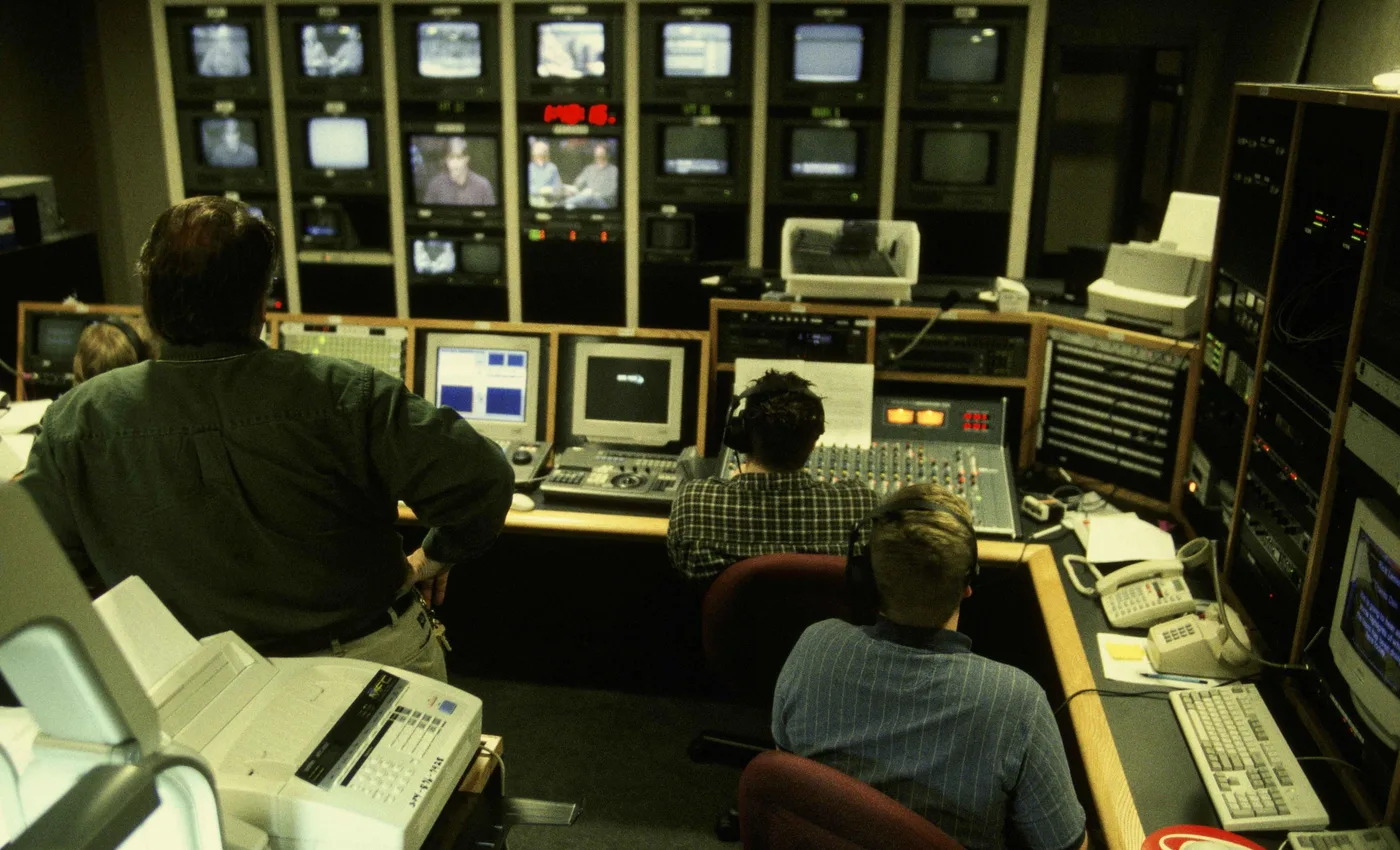
Until recently, a decent video needed a crew, editing, stock footage, voice over and a lot of time. In 2026, tools like Google Veo, Adobe Firefly Video Model, Runway and other platforms are changing the cost of testing. A team can quickly create b‑roll, concept videos, product explainers, social clips, localized versions and test scripts before going into regular production.
This does not mean that AI video replaces the director, marketer or designer. It means it gives them a faster draft. A good result still needs a brief, brand voice, proper sequencing of messages, rights control, human curation and a clear distinction between advertising, information and entertainment.
The big mistake: more posts without a better strategy
The ease of using AI leads many businesses to the wrong conclusion that they just need to publish more. More articles, more reels, more emails, more visuals. But the market doesn't punish a lack of volume as much as it punishes a lack of equity. If all brands say "smart solutions", "innovation" and "personalized experience", no one stands out.
In 2026, businesses that use AI to work better on the message, not just to fill the publishing calendar, win. A good AI workflow starts with a buying question: what problem does the customer have, what proof do we have that we're solving it, and what format fits the phase they're in?
What technologies are worth learning for a small team
The first category is the production tools: AI text, image, video, sound, subtitles and localization. The second is research tools: search data, social listening, analytics, heatmaps, CRM and customer support logs. The third is the automation tools: n8n, Zapier, Make, CRM automations, email flows and small agent workflows that connect data with actions.
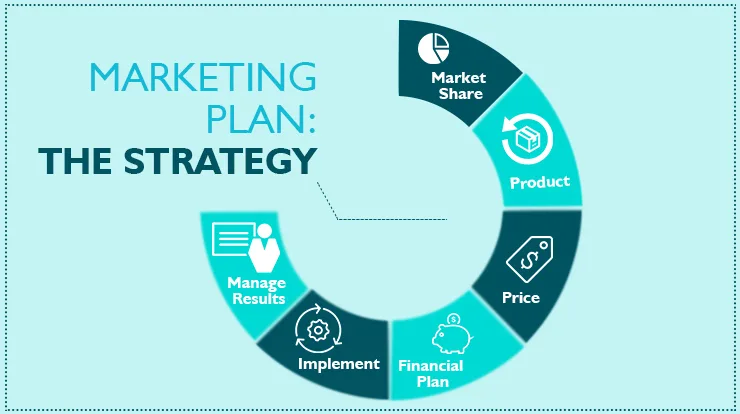
The most mature setup is not to let an AI "run marketing". It is to build small chains: research → brief → draft → human edit → publish → measure → improve. This is where artificial intelligence gains time without canceling human responsibility.
AI video: where it makes immediate business sense
- Explainers: short videos showing how a service or product works.
- Social variations: different openings and hooks for Instagram, TikTok, YouTube Shorts and LinkedIn.
- Localized creatives: adaptations to another language or market without reshooting all the footage.
- B‑roll and concept testing: testing ideas before normal production is paid for.
- Internal training: training clips for sales, support and onboarding teams.
For Greek SMEs, the most realistic first step is small educational and commercial clips. Not a fake blockbuster. Better a clean 40 second video that really explains a service, than an impressive AI clip that doesn't say anything specific.
Trust becomes a competitive advantage
As AI visuals become more compelling, trust becomes more important. Consumers want transparency, especially when they see people, testimonials, products or claims that influence a purchase. If a business uses AI in advertising, it's a good idea to have an internal policy: where it's allowed, where disclosure is required, who approves the final material, and what data never gets into third-party tools.
The same applies to SEO and AI search. Google, Bing and AI Answers don't just search for keywords. They look for signs of credibility: clear authorship, real experience, sources, updated pages, clean structure, helpful answers, and consistency across the site.
Practical 30 day plan
In the first week, map out the 10 most frequently asked customer questions. In the second, write short briefs for each question. On the third, create 3 formats for each topic: article, short video and email. On the fourth, measure what got clicks, read time, responses or leads. This is simple, but much more powerful than chasing every new AI tool indiscriminately.
The marketing of 2026 is not “AI or human”. It's AI for speed, human for judgement, data for priorities and brand for consistency. Whoever ties these together will produce less noise and more value.