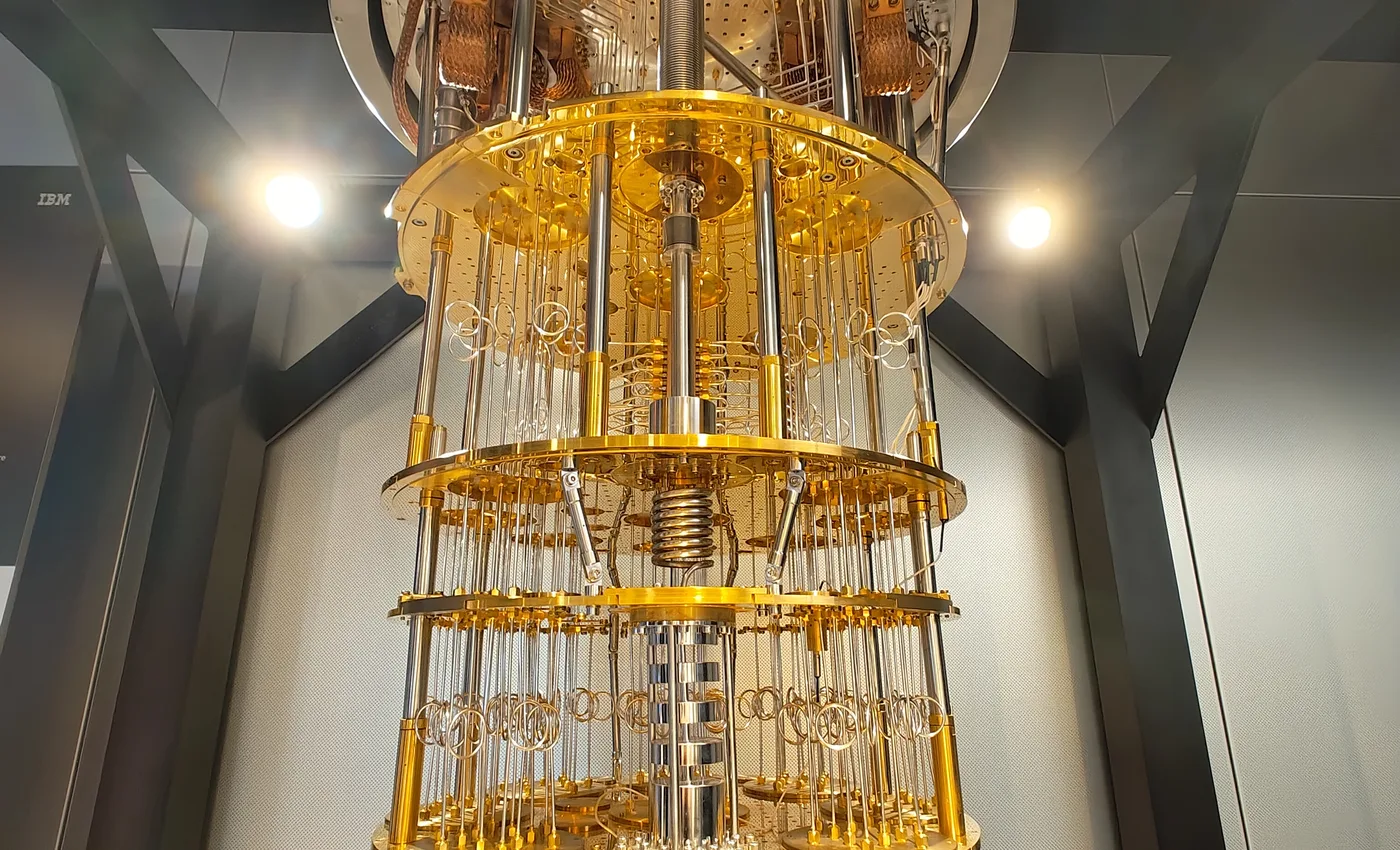
Quantum computing is one of the technologies that easily creates exaggeration. Some present it as the computer that will replace everything. Others dismiss it because it “does not do anything useful yet”. The truth is in the middle: quantum computers exist today, they are real machines used by researchers and companies through the cloud, but they are not personal computers and they are not ready to run Word, games or an e-shop.
In 2026, the important discussion is not whether they exist. They do. The discussion is when they will be able to solve practical problems better than classical supercomputers, with enough reliability to create industrial value.
What is different in a quantum computer?
A classical computer works with bits, meaning values of 0 or 1. A quantum computer works with qubits, which use quantum-mechanics phenomena such as superposition and entanglement. This does not mean that it “tries every answer at once” in the simplistic way often described. It means that specific algorithms can exploit the quantum state to calculate certain problems in a completely different way.
The areas with real interest include chemistry, materials, optimization, simulations of physical systems and, in the more distant but critical field, cryptography. These are not general-purpose machines that replace a laptop. They are specialized accelerators for specific kinds of computation.
Do quantum computers exist today?
Yes. IBM, Google, Microsoft, Quantinuum, IonQ, Rigetti and other players follow different approaches. Most users do not buy a physical machine. They connect through the cloud, as they do with GPU servers. IBM talks about quantum-centric supercomputing: a combination of quantum processors, classical CPUs/GPUs and HPC systems in a unified workflow.
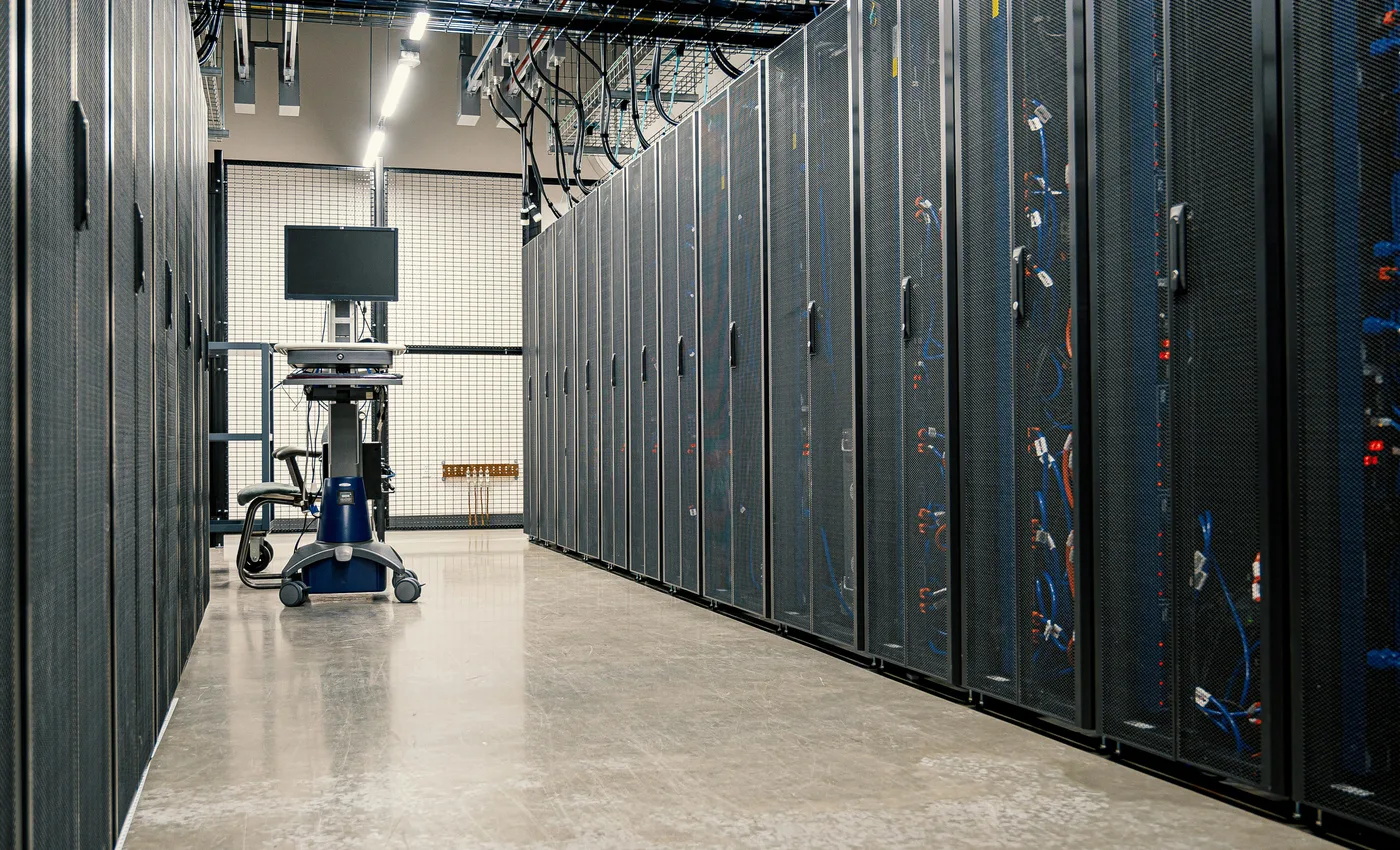
This matters because it shows how the technology will probably be used in the coming years. Not as a “quantum PC at home”, but as part of large computing environments where the right part of the problem is sent to the quantum processor and the rest remains on classical systems.
Why do we not have practical quantum computers everywhere yet?
The main obstacle is error. Qubits are sensitive to noise, temperature, interference and loss of coherence. To build a reliable quantum computer, error correction is needed: many physical qubits must work together to create a more stable logical qubit. This is technically difficult and requires enormous engineering progress.
Google, with the Willow chip and a publication in Nature, showed progress in quantum error correction under specific thresholds. IBM has a roadmap focused on error-correction decoders and quantum advantage. Microsoft follows a different approach with topological qubits and Majorana 1, but major announcements in this field also require healthy scientific scrutiny. In quantum computing, every large claim must be read carefully: a prototype is not the same as a repeatable result, and neither is the same as commercial maturity.
When will we have “quantum computers” in practice?
If we mean computers for specialists through the cloud and research laboratories, we already have them. If we mean machines that provide stable, repeatable commercial advantage for specific problems, the 2026-2030 period is the critical zone for the first practical proofs in limited fields. If we mean personal quantum computers at home, that is not a realistic near-term scenario.
The most likely picture is that businesses will use quantum resources without the end user noticing, just as we use cloud AI today without seeing the data center. The technology will appear first in pharmaceutical research, materials, logistics, financial models, cryptographic transition and scientific simulations.
What about security and cryptography?
The reason governments and large companies take quantum so seriously is not only speed. It is also the possibility that future powerful quantum computers could break current public-key encryption schemes. This is why NIST has already published post-quantum cryptography standards, so systems and organizations can begin the transition before a large-scale threat exists.
For a small business today, the practical move is not to buy quantum services. It is to keep systems, certificates, libraries, servers and security policies updated, so that when browsers, operating systems and platforms move to quantum-safe standards, the business can follow without chaos.
Are there other technologies around the same topic?
Yes. Quantum computing is not one single kind of hardware. There are superconducting qubits, trapped ions, photonic quantum computing, neutral atoms, topological approaches and quantum annealing. There is also quantum sensing, which can provide very precise measurements, and quantum communication or quantum key distribution, which concerns secure communications using the physical properties of photons.
The important point is not to confuse the fields. Post-quantum cryptography is classical cryptography designed to resist future quantum attacks. Quantum key distribution requires a special physical channel. Quantum computing is a computational model. They are connected, but they are not the same product.
What to keep in mind
Quantum computers already exist, but they are still maturing. They will not replace the classical computer. They will complement it in specific problems where the nature of the computation fits quantum mechanics. The right stance for 2026 is neither panic nor indifference: follow the field, stay seriously informed and prepare on the security side.